At Vivero International Pre-school & Childcare, we believe that every child deserves the best possible start in life a start rooted in curiosity, confidence, and the freedom to think differently. Creativity in the early years is more than a skill; it is a way of exploring the world, understanding oneself, and building the foundation for meaningful learning.
Young children are naturally imaginative. They experiment, ask questions, and delight in discovering new possibilities. When this instinct is nurtured with intention, children grow into independent thinkers, capable of expressing ideas, solving problems, and approaching challenges with an open mind. This is at the heart of our Reggio-inspired early childhood philosophy, implemented across our centres in Pune, Mumbai, Bengaluru, and Hyderabad.
Why Thinking Outside the Box Matters in the Early Years
Thinking outside the box means encouraging children to:
· Explore more than one way to solve a problem
· Ask “why,” “how,” and “what if”
· Be confident in their ideas
· Try, experiment, and refine
· Think independently and creatively
These habits shape how children learn not just in preschool, but throughout life. When children are encouraged to explore freely, they become more resilient, expressive, and confident in handling everyday challenges.
How Vivero Encourages Creative Thinking Every Day
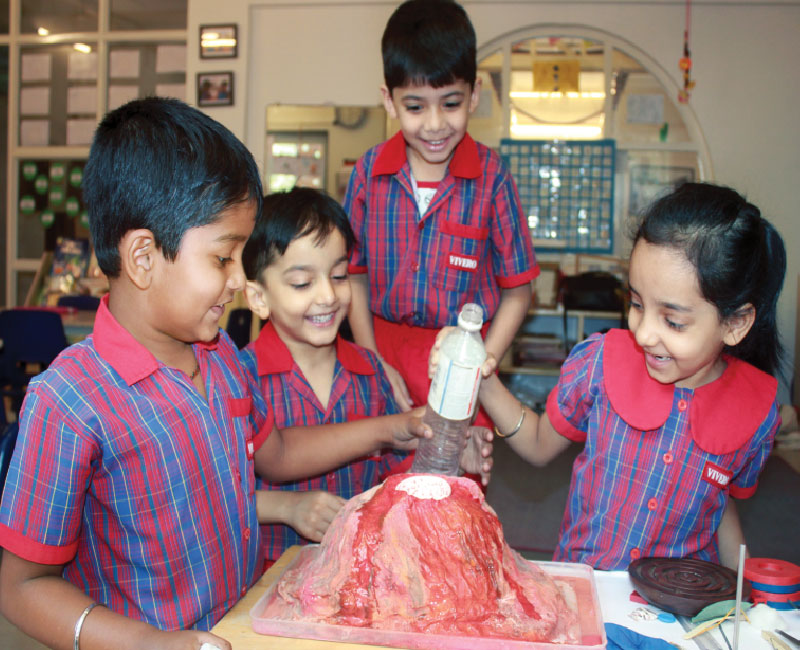
At Vivero International, creativity is woven into our teaching, learning environments, and interactions. Our classrooms are thoughtfully designed to spark wonder, while our educators facilitate exploration through inquiry-based learning and open-ended experiences. But creativity doesn’t develop by chance it grows through consistent exposure, meaningful experiences, and intentional guidance. Here are some practical ways to nurture out-of-the-box thinking both at school and at home.
10 Powerful Ways to Help Children Think Outside the Box
- Provide Ample Time for Creative Play
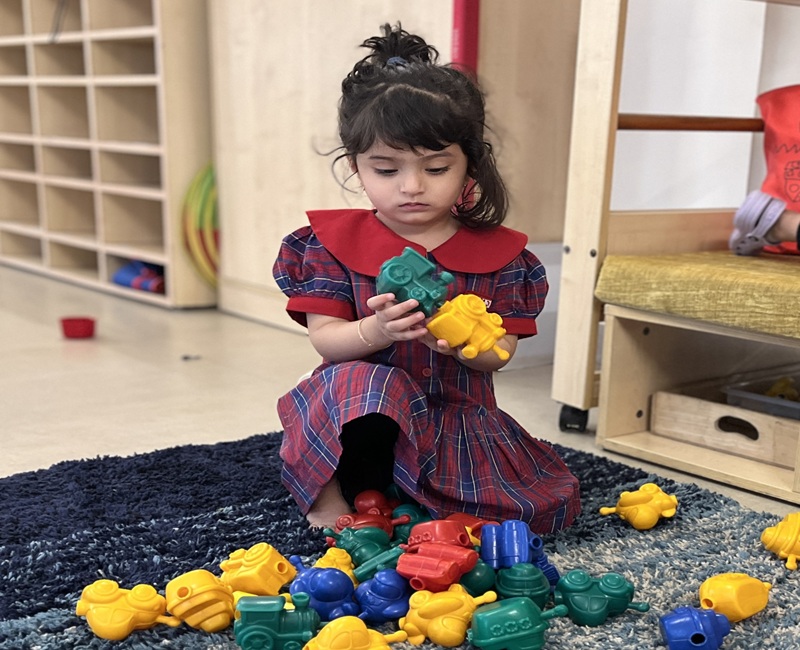
Children need uninterrupted time to imagine, explore, and problem-solve. Whether it is free play or a thoughtfully set-up activity, play gives children a safe, low-pressure supportive environment to experiment, take risks, and build new skills.
- Introduce Problem-Solving Games
Games such as Sudoku, jigsaw puzzles, crossword puzzles, board games, and even age-appropriate computer games encourage children to think critically and use logic creatively. These activities also build confidence and persistence.
- Ask Open-Ended Questions
Open-ended questioning is one of the most effective ways to nurture creative thinking.
Questions like:
- What would you do next?
- How can you fix this?
- What can you try differently?
help children think deeply, express ideas, and look for new possibilities. There are no right or wrong answers only opportunities to explore.
- Be a Creative Role Model
Children observe and imitate. When parents and educators think creatively, take risks, and try new approaches, children naturally follow. Demonstrating creativity in everyday situations helps inspire them.
- Reduce Passive Screen Time
Most screen activities are passive and limit children’s ability to create on their own. When screen time is reduced, children naturally look for new ways to stay engaged, leading to imaginative play, exploration, and self-directed learning.
- Encourage and Embrace Boredom
Boredom often sparks creativity. When children have space to feel “bored,” their minds begin to generate ideas, stories, and games. It pushes them to explore and think independently.
7. Offer Positive Reinforcement
When children attempt creative solutions even small ones acknowledge their effort. Positive reinforcement builds their confidence and encourages them to continue exploring new ideas.
8. Integrate Independent Thinking into Daily Routines
Simple daily choices help children practice decision-making. Let them pick their clothes, choose their breakfast, or select an art project. These small decisions build confidence and encourage children to consider possibilities.
9. Encourage Responsibility
Assigning age-appropriate responsibilities teaches children to plan, evaluate options, and make thoughtful decisions. Responsibility nurtures independence and fosters problem-solving skills.
10. Create Environments That Inspire
Spaces filled with natural materials, open-ended resources, light, colour, and texture spark imagination. At Vivero, our environments are deliberately designed to act as the “third teacher,” supporting creativity through thoughtful provocations and flexible setups.
The Vivero Approach: Creativity as a Way of Life
Across all Vivero International Pre-school & Childcare centres, our curriculum is intentionally designed to nurture creativity, curiosity, and independent thinking in every child. Through hands-on learning, Reggio-inspired environments, caring educators, and a strong focus on early childhood development, we create spaces where children feel empowered to explore and express themselves.
Encouraging creative thinking from an early age may even help form stronger neural connections, supporting deeper learning and better concept understanding as children grow. More importantly, out-of-the-box thinking builds confidence, adaptability, and joy in learning qualities that shape a child’s lifelong relationship with the world.
A Strong Start That Lasts a Lifetime
At Vivero, we believe that creativity is one of the greatest advantages we can offer young children. When nurtured with care, trust, and the right environment, it becomes a lifelong strength. If you’d like to explore our early childhood programs or visit a Vivero International Pre-school & Childcare centre near you, our team would be delighted to connect with you.